 Chinese
 English
 German
 Portuguese
 Russian
 Spanish
 French
 Arabic


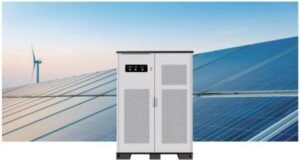
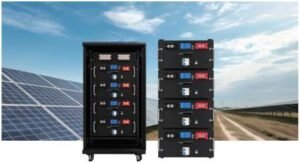
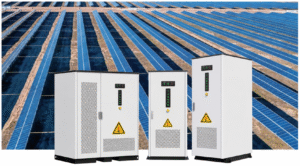

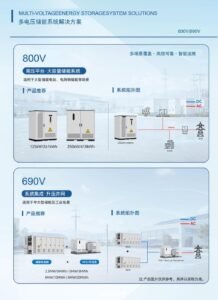
When an enquiry concerns a floor-standing home-storage battery, the first useful step is usually not to select a product from a general series name. A clearer starting point is to collect the information that defines the application and the documents that must be checked for the exact model.
This approach helps keep a selection discussion organised. It does not confirm a product, system arrangement, local requirement or project outcome. The selected product and the current applicable documentation should always be reviewed against the actual application.
1. Start with the intended application
Ask what the buyer expects the storage system to do and how the battery will be used in the project. Record whether the discussion concerns a new system, an existing system being reviewed, or an early-stage commercial enquiry. Note the site type and any operating conditions that the buyer has already identified.
Keep the description practical and specific. A short written summary is more useful than a broad request for a “home battery,” because it gives the distributor a clear record to review with the product documentation later.
2. Record the existing system context
If an inverter or other energy-system equipment is already part of the project, collect its make, model, version information where available, and the questions the buyer needs answered. Record the system configuration as described by the buyer rather than filling in missing details from another project.
This information is a preparation step only. It does not confirm that any particular combination, setting or system arrangement has been reviewed. The exact product and current documentation must be checked before a distributor presents a selection as suitable for the application.
3. Describe the required storage range without guessing a model
Ask the buyer to describe the expected storage requirement, the load or use pattern they want to cover, and any limits they already know. Avoid turning a general description into a battery recommendation before the application and the relevant product information have been checked.
For a distributor, the useful record is the buyer’s requirement in their own terms, together with the project context. This keeps later discussions tied to the actual request rather than to an assumed runtime, performance result or product size.
4. Note the installation and site conditions
Ask for the installation setting, available location, any environmental conditions the buyer considers relevant, and the project country. If information is not known yet, mark it as pending instead of substituting assumptions.
Country and site details matter because product documentation, project requirements and local considerations may need separate review. A general home-storage enquiry is not enough to establish what documentation or further information will be needed for a particular project.
5. Identify the exact product document to review
Before discussing a final choice, identify the exact floor-standing battery model under consideration and obtain the current applicable product documentation. Keep the document version with the enquiry record, along with the application summary and the system information already collected.
Do not treat an older brochure, a series name or a product image as a complete basis for selection. Where the project details change, the distributor should revisit the exact model and the applicable document rather than relying on a previous discussion.
6. Build one selection record for the enquiry
A simple distributor record can include:
- the intended application and site type;
- the buyer’s description of the required storage range and use pattern;
- existing system or inverter information, where applicable;
- installation conditions and project country;
- the exact battery model being considered;
- the current product document version; and
- questions that still need clarification.
This record does not replace product documentation or project review. Its purpose is to keep the enquiry complete enough for a more precise discussion and to show which facts still need confirmation.
7. Keep the next step limited and documented
Once the information is collected, review the current document for the exact proposed model and identify any missing project details. If further help is needed, share the application summary, system context, country, exact model and document version with CSSUN through the contact page.
CSSUN can review the shared information to identify questions that still need clarification for the enquiry. That step should not be described as a confirmation of a product selection, system arrangement, local requirement or project result until the relevant information has been reviewed.
Frequently asked questions
Is a general product series name enough to select a floor-standing home-storage battery?
No. Start with the application, system context, installation conditions, country, exact model and current product documentation. A general series name does not contain all the information needed for an individual project discussion.
What should a distributor ask for before requesting more product information?
Collect the intended application, storage requirement in the buyer’s own terms, relevant system information, site conditions, project country and the exact model under consideration. Keep unanswered questions visible rather than assuming the missing details.
Can a previous project record be reused for a new enquiry?
It can be used as an internal reference, but the new enquiry should have its own application summary and current document check. Do not assume that another project’s information applies to a different site, system or model.
Does this checklist confirm local approvals or the final project design?
No. This checklist is an information-preparation tool for distributors. Local requirements, the exact product documentation and the project details must be reviewed separately for the actual application.